
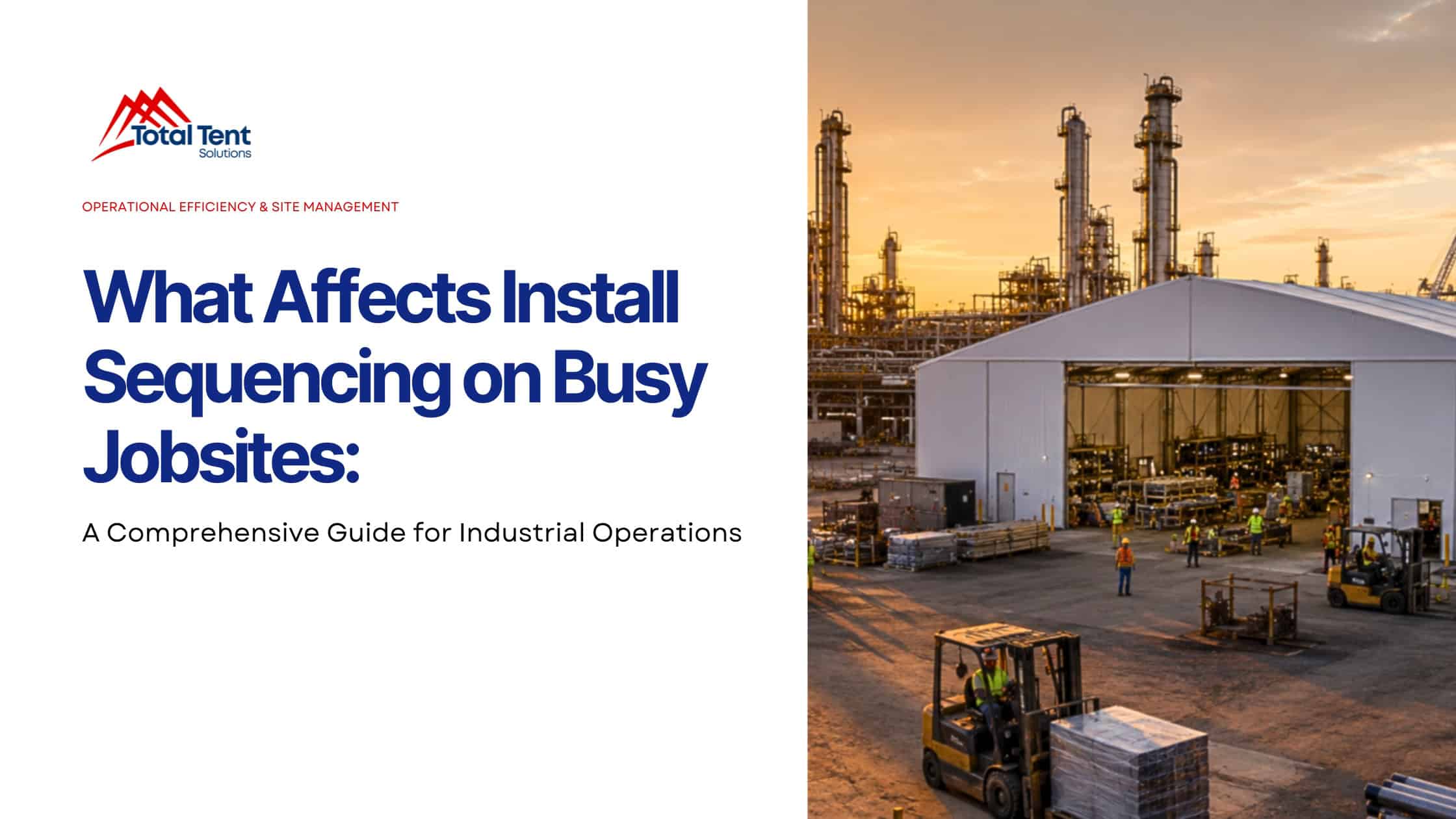
If you’ve ever managed a major installation project at a refinery, petrochemical facility, or other industrial site, you know that getting the sequence right can mean the difference between a smooth operation and a logistical nightmare. But what exactly goes into planning installation sequences on busy jobsites? The truth is, there are far more moving parts than most people realize, and understanding each one is essential to keeping your project on track.
Understanding Install Sequencing in Industrial Operations
Defining Install Sequencing and Its Critical Role
Install sequencing is essentially the strategic roadmap that determines the order in which various components, systems, and infrastructure elements get installed on your jobsite. Think of it like cooking a complex recipe. You can’t frost the cake before baking it, and you can’t add the filling before the layers are ready. The same principle applies to industrial construction and turnaround maintenance projects.
For temporary structures, sequencing works in two directions. The structure has to fit into the larger jobsite workflow, but the larger workflow also depends on the structure being ready at the right time. If contractor staging, workforce support, material storage, or protected workspace is needed before a certain phase can move forward, the temporary structure cannot be treated as an afterthought. It has to be part of the sequencing conversation early.
When you’re working with TWIC and HASC certified crews in a high-pressure environment, getting the sequence wrong does not just waste time and money. It can compromise safety, create bottlenecks that cascade through your project timeline, and leave plant-ready crews waiting for space, access, materials, or approvals before they can be productive. That is why installation sequencing is not just a nice-to-have planning tool. It is fundamental to operational efficiency.
At its core, effective sequencing considers what needs to happen first, what can happen simultaneously, and what absolutely must wait until other tasks are complete. It is about understanding dependencies and making sure the right support is in place before each phase needs it.
Why Sequencing Matters on High-Activity Sites
On a busy jobsite, especially at refineries undergoing turnaround or petrochemical plants managing maintenance operations, things move quickly and many projects run concurrently. You might have multiple contractor teams working in different areas, each with their own deadlines and requirements. Without clear sequencing, you end up with teams getting in each other’s way, competing for the same resources, and creating safety hazards.
When you have dozens of people on site, multiple temporary buildings providing workforce support spaces, and heavy equipment moving constantly, coordination becomes incredibly complex. One delayed task ripples through the rest of your schedule, creating cascading delays. That’s why professionals in industrial operations don’t just think about what to do next. They think several steps ahead about how today’s work enables tomorrow’s work.
Labor Availability and Workforce Coordination
The Challenge of Coordinating Multiple Trades
On industrial jobsites, you’re not just managing one group of workers. You’re coordinating multiple trades with different responsibilities, schedules, tools, and safety requirements. You’ve got electricians, welders, structural teams, HVAC specialists, instrumentation crews, and more. Each trade plays a different role in the sequence, and each one depends on the right access, space, and timing to keep work moving.
The real challenge comes when these trades need to work in the same space at the same time, or when one trade’s work is a prerequisite for another. Imagine you need to install structural framing before mechanical systems can be mounted. But what if your structural crew is delayed, and your mechanical teams are already on site and paid? That’s where sequencing becomes your problem-solving tool. A well-planned sequence anticipates these interdependencies and schedules crews to arrive and begin work at optimal times.
Coordinating multiple trades also means managing their access to equipment, tools, and shared resources. If three crews all need the same crane on the same day, your sequence has to account for that and potentially rearrange work to make it feasible. It’s like an elaborate puzzle where every piece has constraints, and your job is to find an arrangement that works.
TWIC and HASC Certified Personnel Requirements
In regulated industries like petrochemical operations and refineries, workforce requirements go beyond basic qualifications. TWIC (Transportation Worker Identification Credential) and HASC (Health and Safety Council) certification requirements add another layer of complexity to labor scheduling. Not every crew member can just show up. They need the proper credentials and security clearances, which can take time to obtain and verify.
This means your sequencing plan needs to account for certification timelines and ensure that you have the right certified personnel available when specific work phases begin. If you schedule work that requires TWIC certified crews but haven’t accounted for the time needed to get everyone credentialed, you’ll face delays. Smart project managers build certification verification checkpoints into their sequencing plan to prevent these issues.
Shift Scheduling and Crew Management
Beyond just having the right people with the right credentials, you need to think about when they work. On intensive projects, you might run multiple shifts throughout the day and night. Your sequencing needs to account for handoffs between shifts, training time for new crew members, and fatigue considerations.
Some work simply can’t be done effectively at night or by tired crews. Other work might benefit from continuous operations across multiple shifts to maintain momentum. Your installation sequence needs to be flexible enough to accommodate these human factors while maintaining productivity and safety standards.
Space Constraints and Temporary Structure Placement
Layout Optimization for Refinery and Petrochemical Operations
Space on industrial sites is precious. Refineries and petrochemical facilities aren’t built with extra space sitting around waiting for maintenance or turnaround work. Every inch is already allocated. When you bring in contractors for installation work, you need to figure out where everyone and everything goes.
This is where temporary structures become crucial to your operational support strategy. Temporary buildings, industrial enclosures, and clear span structures provide the workspace, staging, storage, and workforce support that crews need without interfering with existing facility operations. But here is where sequencing comes in: temporary structures have to be planned, positioned, and installed in alignment with the larger jobsite schedule. The goal is not just to get the structure up. The goal is to have the right space ready before crews, materials, equipment, or support operations need it.
Your jobsite protection infrastructure might need to go up before crews can safely work. Your contractor staging areas need to be in place before workers arrive. Your warehouse overflow spaces need to be ready to receive materials. The layout and timing of these temporary structures affect where crews can work, how they move through the site, where materials are staged, and what work can happen simultaneously.
Temporary Building Configurations
Different projects require different temporary building setups. A petrochemical turnaround might need climate-controlled spaces for sensitive work, office areas for engineering support, break rooms and safety facilities for the workforce, and secure storage for valuable equipment. A refinery maintenance project might need different configurations entirely.
Your sequencing needs to account for which temporary buildings need to be operational at each phase. You might not need all of them from day one. By staggering when various temporary structures become operational, you can optimize your costs and resource allocation. This is part of strategic sequencing that many people overlook but that experienced industrial project managers know is critical.
Clear Span Structure Advantages
Clear span structures offer unique advantages for industrial jobsites because they provide large, unobstructed space without internal support columns. This flexibility is valuable when you need open areas for equipment storage, assembly work, material staging, or workforce support. However, clear span structures need to be accounted for early in the project sequence. If the space is needed before a specific work phase can begin, the structure has to be planned, delivered, installed, and ready before that phase arrives. When you need maximum usable square footage on a tight industrial site, clear span structures should be part of the sequencing conversation during the planning phase, not after the site is already congested.
Material Delivery and Supply Chain Logistics
Synchronizing Material Arrivals with Installation Phases
It sounds obvious, but you’d be surprised how often material delivery and installation work get out of sync. Imagine having your entire shipment of materials arrive on day two of your project when you don’t have secure storage available until day five. Now you’ve got materials sitting exposed, taking up work space, and potentially getting damaged or lost.
Effective sequencing synchronizes material deliveries with the phases when they’re actually needed. You coordinate with your suppliers to time deliveries so that materials arrive just before their installation phase begins. This is especially critical on jobsites where storage space is limited. You might have materials arriving in stages throughout the project rather than all at once.
On busy jobsites with multiple contractors, you also need to sequence deliveries so that different suppliers don’t all show up at the same time, creating congestion at the site entrance and in unloading areas. A well-planned delivery schedule is part of a well-executed installation sequence.
Storage Capacity Within Industrial Enclosures
Your temporary structures need to accommodate material storage, and the amount of storage you need depends on your sequencing. If you use a just-in-time approach where materials arrive frequently in smaller quantities, you need less storage but more frequent deliveries. If you use a bulk arrival strategy, you need larger storage capacity but fewer deliveries.
The size and configuration of your industrial enclosures, warehouse overflow spaces, and equipment storage areas all factor into what sequencing approach makes sense for your project. Some projects benefit from larger temporary buildings with comprehensive storage. Others work better with lean material flow and frequent deliveries. Your sequence needs to match your storage capacity and vice versa.
Just-in-Time Delivery Strategies
Modern industrial project management increasingly relies on just-in-time delivery, where materials arrive exactly when they’re needed. This approach minimizes storage requirements and reduces the risk of materials getting damaged or lost while waiting. However, it requires extremely precise sequencing and flawless coordination with suppliers.
When you implement just-in-time delivery as part of your sequencing strategy, you’re betting that everything runs on schedule. A delay upstream creates a cascade of delays downstream because materials aren’t available when needed. For this to work reliably, your sequencing plan needs to be detailed and realistic, and you need backup contingency plans in case something unexpected happens.
Equipment Availability and Staging Requirements
Contractor Staging Areas
Your contractor teams need places to stage their work. Contractor staging areas are typically temporary zones where crews gather, prepare tools, organize materials for their work section, and coordinate daily activities. The location and timing of these staging areas affects your overall sequencing.
A staging area that’s too small creates congestion and inefficiency. One that’s too large wastes valuable jobsite space. Your sequencing plan determines how many staging areas you need at any given time and where they should be located based on the work phases. As different contractors move through phases of their work, staging areas might shift or be repurposed for other crews.
Warehouse Overflow Solutions
When your facility doesn’t have enough storage for all the materials and equipment your project requires, warehouse overflow spaces become essential. These are temporary structures or designated areas that serve as extra storage capacity. Your sequencing plan needs to account for which materials go where and when items move from warehouse overflow spaces into active work areas.
This might seem like a logistics detail, but it directly impacts your installation sequence. If critical materials are stored too far from where they’re needed, your crews waste time retrieving them. If they’re in the way of other work, they create obstacles and delays. Strategic placement of warehouse overflow spaces as part of your overall site layout and sequencing makes everything run more smoothly.
Equipment Storage and Accessibility
Beyond just materials, you need to store equipment like tools, machinery, spare parts, and maintenance equipment. All of this needs secure, organized storage that doesn’t interfere with active work areas. Your sequencing plan accounts for how and where equipment gets stored, how it’s accessed during different work phases, and how storage locations might change as work progresses.
Regulatory Compliance and Safety Requirements
Engineered to Code Standards
Temporary structures on industrial jobsites often require engineered documentation, facility review, permitting, or approval depending on the site, structure size, duration, use, and local requirements. This applies to temporary buildings, industrial enclosures, clear span structures, and other support spaces that need to perform safely in demanding environments. The process of reviewing site requirements, confirming design needs, and addressing approvals takes time and should be built into the sequencing plan.
You cannot wait until a week before you need a temporary structure to start working through those requirements. The structure provider, facility team, and project stakeholders should address design, documentation, permitting, access, and site requirements early so the structure is ready when the project needs it. For specialized facilities like petrochemical plants, refineries, ports, or other regulated industrial environments, those review periods may vary, so it is important to account for them before they create a bottleneck.
Safety Protocols on Petrochemical Jobsites
Petrochemical facilities and refineries operate under strict safety protocols. When you’re working in these environments, your installation sequence needs to accommodate safety requirements that might not exist at other jobsites. This includes hot work permits, confined space procedures, hazardous material handling requirements, lockout tagout procedures, and much more.
Your sequencing plan needs to account for the time these safety procedures take. If your installation work involves hot work near other activities, you need to sequence work so that hot work happens during periods when surrounding areas can be properly secured and monitored.
Permitting and Inspection Timelines
Beyond initial project permits, specific work phases might require inspections before you can proceed to the next phase. Your sequencing plan needs to account for inspection request times, actual inspection schedules, and potential rework if inspections reveal issues. You build buffer time into your sequence to accommodate inspections without creating bottlenecks.
Site Conditions and Environmental Factors
Weather Dependencies and Seasonal Considerations
Weather significantly impacts installation work. Concrete work, welding, painting, electrical connections, and many other tasks have weather limitations. You can’t do certain work safely in high winds, extreme temperatures, or heavy rain. Your sequencing strategy needs to account for seasonal weather patterns and build flexibility into your schedule for weather delays.
On some projects, you might sequence indoor work during seasons when outdoor work is risky, then switch to outdoor work during better weather windows. This requires thoughtful planning and often means having contingency sequences ready for different weather scenarios.
Existing Facility Operations Impact
When you’re working at an operational refinery or petrochemical facility during a turnaround, you’re working around existing operations and equipment. Your sequencing needs to coordinate with the facility’s ongoing operations. You might need to work around production schedules, maintenance windows, and operating procedures.
Some work can only happen when specific facility systems are shut down. Other work must happen while certain systems remain operational. Your sequencing integrates with the facility’s operational schedule to make everything compatible.
Utility Access and Coordination
Industrial sites have complex utility systems: electrical power, water, compressed air, steam lines, waste systems, and more. Your installation work requires access to certain utilities, and you need to coordinate with facility operations to ensure utilities are available when you need them. Your sequencing accounts for utility scheduling and availability.
Communication and Project Management Systems
Real-Time Information Sharing
On busy jobsites, things change constantly. Material deliveries get delayed, crews finish early or run behind, weather impacts the schedule, unexpected issues surface. Your installation sequence needs to be a living document that adapts to reality. This requires real-time communication systems where project managers, contractors, material suppliers, and facility operations staff all stay informed about current conditions and schedule adjustments.
Many modern projects use digital systems that let everyone see current status, upcoming activities, and any schedule changes. This level of communication helps keep sequencing adjustments coordinated and prevents surprises that create cascading delays.
Change Order Management
Despite the best planning, projects change. Additional work gets added, requirements shift, or unexpected conditions emerge. Every change potentially affects your sequencing. Your change order management process needs to evaluate how each change impacts the installation sequence and make necessary adjustments.
Without careful change management, “small” changes accumulate and derail your entire schedule. By managing changes thoughtfully and updating your sequence accordingly, you maintain control of your project timeline.
Putting It All Together: The Real-World Complexity
Here’s what makes installation sequencing truly challenging: all these factors interact. A labor availability issue might force you to reschedule work to a different week, which creates a cascading effect on when temporary structures need to be ready, which affects your material delivery timing, which impacts your safety inspection schedule. Everything is connected.
Master schedulers and project managers who excel at installation sequencing don’t just look at one factor in isolation. They understand the web of interdependencies and make decisions that optimize across all factors simultaneously. They know that sometimes accepting a slightly later start date for one phase allows multiple other phases to proceed more efficiently.
This is why experienced contractors and facility managers invest heavily in planning before work begins. The sequencing decisions made in the planning phase ripple through every day of the project. Get it right, and you move efficiently from one phase to the next with minimal delays and maximum productivity. Get it wrong, and you spend every day managing crises and delays.
Frequently Asked Questions
What is the most important factor in installation sequencing?
While all factors matter, the interdependencies between tasks typically have the greatest impact. Understanding which activities must be completed before others can begin, and which activities can happen simultaneously, forms the foundation of effective sequencing. Without understanding these dependencies, you can’t build a realistic or efficient sequence. Task dependencies should be documented and reviewed early in your planning process, well before crews arrive on site.
How do I account for unexpected delays in my installation sequence?
Build contingency time into your sequence. Don’t schedule tasks back-to-back with zero float or flexibility. Include buffer time for weather, inspections, and material delays. Also, maintain communication systems so you can adjust sequences quickly when issues arise. Many projects use buffer weeks or float time built into major phases specifically to absorb unexpected delays. For industrial projects with tight timelines, you might allocate 10-15% extra time as schedule reserves.
Can installation sequences be changed mid-project?
Yes, but changes should be made thoughtfully. Every change to your sequence has ripple effects through other phases. When you need to make adjustments, evaluate the full impact before implementing the change. Some projects maintain several alternate sequences for major phases so they can quickly pivot if conditions require it. Having pre-planned alternatives ready means you can adapt faster without compromising safety or quality.
How far in advance should sequencing planning begin?
Ideally, sequencing planning starts during the project planning phase, well before any work begins. This gives you time to coordinate with suppliers, contractors, facility operations, and permitting authorities. For large projects at refineries or petrochemical facilities, sequencing planning often begins months or even years before installation work starts, ensuring that all prerequisites are in place. The more complex your project and the more stakeholders involved, the earlier you should begin detailed sequencing work.
How does sequencing change for turnaround work versus regular maintenance?
Turnaround work typically involves more compressed schedules and higher pressure to complete work quickly, so sequencing becomes even more critical. Turnarounds often sequence work in parallel phases with multiple crews working simultaneously to complete the work before facility restart. Regular maintenance might have more flexibility in scheduling. Both require careful sequencing but with different priorities and pressures. Turnaround projects also require more rigorous planning around workforce support, staging, storage, and access because more people, materials, and equipment are compressed into a shorter execution window.
Temporary structures are not just extra space on a busy industrial jobsite. They are part of the sequencing plan. When workforce support, staging, storage, and protected work areas are planned early, crews can move more efficiently, materials have a place to go, and the site has more flexibility when conditions change. Total Tent Solutions helps industrial teams plan temporary structure solutions that support the way the job actually needs to move.